
What are the two main challenges discussed regarding security in the connected vehicle ecosystem?
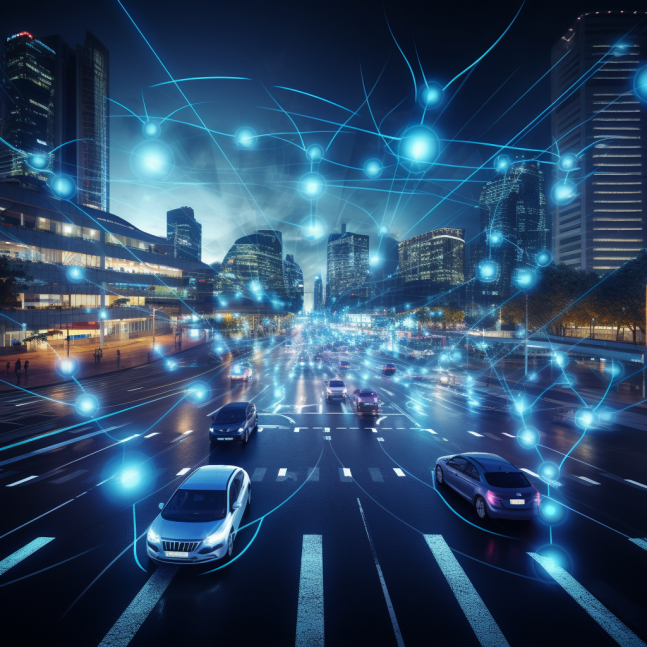
Introduction
In the modern era of technological advancement, the concept of connected vehicles has become increasingly prominent. These vehicles, equipped with internet connectivity, allow for enhanced functionalities such as remote diagnostics, entertainment systems, real-time navigation, and autonomous driving capabilities. However, this integration of connectivity and automotive technology introduces significant security challenges.
Cybersecurity Vulnerabilities
- Exploitation of Software Flaws:
- Description: Connected vehicles rely heavily on software for their operation. This software can have vulnerabilities that hackers could exploit, leading to unauthorized access or control over vehicle functions.
- Impact: The impact ranges from minor inconveniences like altering user settings to severe threats like taking control of the vehicle’s critical functions, such as braking or steering.
- Examples and Case Studies: Instances of hackers remotely controlling vehicles have been reported, demonstrating the real-world implications of these vulnerabilities.
- Network Security Threats:
- Description: Connected vehicles are part of a larger network, including other vehicles, infrastructure, and traffic management systems. This network can be susceptible to attacks such as man-in-the-middle, denial of service, and other cybersecurity threats.
- Impact: These attacks can disrupt vehicle functionality, compromise safety, and even affect broader traffic systems.
- Mitigation Strategies: Implementation of robust encryption methods, secure communication protocols, and continuous monitoring of network traffic.
- Lack of Standardization:
- Description: The automotive industry lacks a unified standard for cybersecurity, leading to inconsistent security practices among manufacturers.
- Impact: This inconsistency can create vulnerabilities and make it difficult to implement effective security measures across different vehicle models and systems.
- Possible Solutions: Development and adoption of industry-wide security standards and best practices.
Data Privacy Concerns
- Collection and Use of Personal Data:
- Description: Connected vehicles collect a vast amount of data, including location, driver behavior, and vehicle usage patterns. This data can be sensitive and personally identifiable.
- Privacy Implications: There are concerns over how this data is used, who has access to it, and how it is protected.
- Regulatory Aspect: Examination of existing privacy laws and regulations applicable to vehicle data.
- Data Sharing with Third Parties:
- Description: Manufacturers and service providers often share vehicle data with third parties for various purposes, including marketing and improvement of services.
- Risks: This sharing raises concerns about data misuse, unauthorized access, and potential privacy breaches.
- Managing Risks: Implementing strict data governance policies, ensuring transparency in data sharing practices, and obtaining explicit consent from vehicle owners.
Conclusion
The security challenges in the connected vehicle ecosystem are significant and multifaceted, involving both cybersecurity vulnerabilities and data privacy concerns. Addressing these challenges requires a collaborative approach involving manufacturers, software developers, regulatory bodies, and cybersecurity experts. Developing robust security frameworks and privacy-preserving techniques is essential to safeguarding the connected vehicle ecosystem and ensuring the safety and privacy of its users.
This overview covers key points in the realm of connected vehicle security challenges, focusing on cybersecurity and data privacy. A 4000-word essay would expand on these points with more detailed examples, case studies, and in-depth analysis of potential solutions and industry trends.
- #ConnectedVehicles
- #AutomotiveCybersecurity
- #VehicleDataPrivacy
- #SmartCars
- #CyberSecurityThreats
- #VehicleSoftwareSecurity
- #IoTSecurity
- #CarHacking
- #AutomotiveInnovation
- #DigitalAutoSafety
- #VehicleNetworkSecurity
- #DriverDataProtection
- #ConnectedCarTechnology
- #SecureMobility
- #FutureOfDriving